Is It Time to Move, or Time to Reposition Yourself?
August 18, 2026
Not every career move starts with a bad job. Sometimes, it starts with a quiet feeling that something has shifted.

Your role has grown, but your title has not changed. Your responsibilities have expanded, but your salary has stayed the same. You are the person people rely on, but you are not sure where the next step is. You enjoy the business, but you are beginning to wonder whether you are still learning, progressing or being recognised properly.
This is a common crossroads for many professionals, however it doesn’t always mean you need to resign. It does mean though, that it may be time to understand your market position.
When your role has outgrown the job description
One of the clearest signs that it may be time to reassess is when your day-to-day work no longer matches the role you were hired to do. It’s important to note that this can happen gradually.
A Business Support professional might begin managing projects, onboarding processes and stakeholder communications far beyond their original administration role.
An HR professional might become the trusted adviser on workforce planning, change management and employee relations, despite still sitting in a generalist title.
A Technology specialist might move from delivery into architecture, team leadership or strategic decision-making without a formal shift in role level.
A Sales or Marketing professional might become more commercially accountable, owning revenue outcomes, customer insights or growth initiatives that were never part of the original brief.
When your responsibilities change, your market value may change too. The challenge is knowing how to assess that properly.
Salary is only one part of the picture
It is natural to focus on salary when thinking about career progression. Salary matters, and candidates should understand whether they are being paid fairly for their skills, experience and impact. But the best career decisions are rarely based on salary alone.
It is also worth considering:
- Role scope & workload
- Leadership support
- Flexibility & stability
- Career progression & learning opportunities
- Team culture & values alignment
- Long-term marketability
A higher salary may not be the better move if the role narrows your experience or places you in an environment where you cannot succeed. Likewise, staying in a role may be the right decision if there is a clear pathway for growth, strong leadership and genuine recognition of your contribution.
The key is understanding your options before you feel pressured to make a decision.
Why market insight gives you confidence
Many candidates wait until they are unhappy before speaking with a recruiter. By that point, the decision can feel urgent. You may feel reactive, frustrated or unsure what to prioritise. A market conversation earlier can be much more valuable. It can help you understand:
- Where your salary sits compared with the market
- Which skills are currently in demand
- How employers are assessing candidates in your space
- Whether your title reflects your actual responsibilities
- What kind of roles may be realistic next steps
- What gaps you may need to address before moving
- How to position your experience more effectively
This information does not force you to move. It gives you perspective.
Sometimes, it confirms that you are well positioned where you are. Sometimes, it helps you prepare for an internal conversation around progression. Sometimes, it shows you that the market has moved and there may be better opportunities available.
Repositioning yourself before you apply
One of the most common issues we see is candidates underselling their impact. A CV might list tasks, systems and responsibilities, but not explain the value delivered.
For example, instead of saying you “managed stakeholder communications,” it may be stronger to explain how your communication improved delivery, reduced delays or supported better decision-making.
Instead of saying you “supported recruitment processes,” it may be more powerful to show how you improved candidate experience, reduced time-to-hire or helped fill critical roles.
Instead of saying you “worked across reporting,” you might explain how your reporting helped leaders understand performance, risk or commercial priorities.
Employers want to understand not just what you did, but why it mattered.
The role of a specialist recruiter
A good recruiter should do more than send you job descriptions. They should help you understand how the market sees your experience, where your strengths are, what employers are prioritising and how to approach your next move thoughtfully.
At Method, our consultants specialise in defined markets across Technology, Data, Accounting & Finance, Sales & Marketing, Business Support, Human Resources, Risk & Compliance, Legal and Executive appointments.
That means the advice you receive is grounded in real conversations with employers and candidates in your area of expertise. We can help you benchmark your role, understand your options and decide whether now is the right time to move, or whether the better first step is to reposition yourself where you are.
You do not need to be actively looking to get clarity
Career decisions are easier when they are informed.You do not need to be ready to resign. You do not need to have your CV perfectly prepared. You do not need to know exactly what you want next. Sometimes, the most valuable first step is simply understanding where you stand.
If your role has changed, your priorities have shifted or you are wondering what your next step could look like, a market conversation can help you make that decision with confidence.
Whether you choose to stay, negotiate, grow or move, the goal is the same. Make sure your next decision is based on clarity, not guesswork.
Recent Blogs
By Shazamme System User
•
September 22, 2026
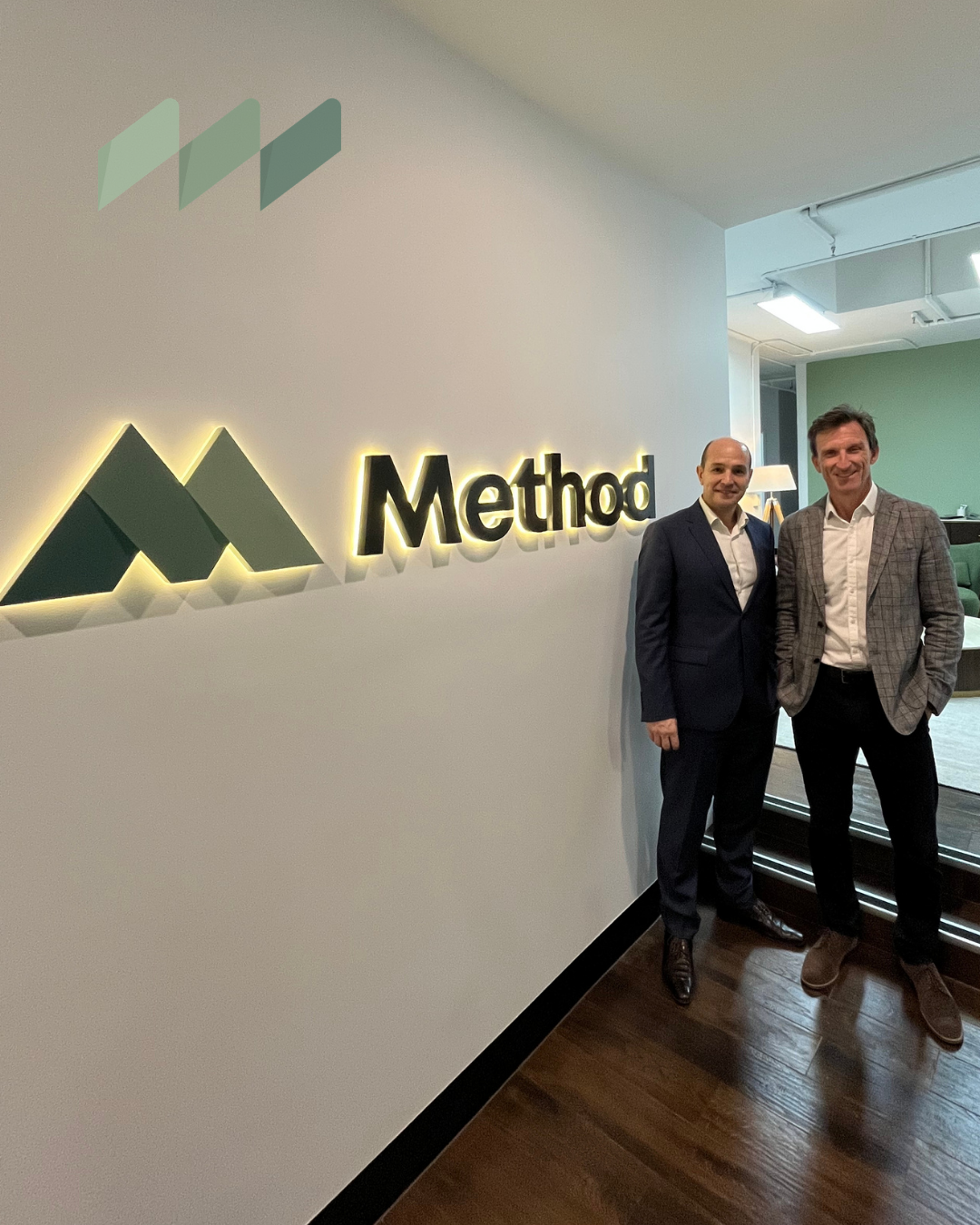
As we recently welcomed Andy Langridge to the Method Group as our new Head of Consulting, we're also excited to announce the next evolution of our consulting offering.

July 28, 2026
July Workplace Changes Are Here. Is Your Workforce Strategy Keeping Up?

By Shazamme System User
•
June 23, 2026
Thu, 8 Oct